
How Does a Bad Credit History Affect Car Leasing Terms?

car leasing

In today’s world, where mobility is critical, leasing a car can be a convenient alternative to buying. However, leasing a vehicle can present unique challenges for individuals with a less-than-stellar credit history.

This article on amoplant.lv explores how bad credit history affects car leasing terms and offers practical advice to help you navigate this complex landscape and find solutions that work for you.

The impact of credit history on leasing

The first step is to understand how credit history influences leasing decisions. Leasing companies view your credit score as an indicator of your likelihood to make payments on time.

A lower credit score can often lead to less favorable leasing terms. It might include higher interest rates, a larger down payment, or even the necessity for a co-signer.

Higher costs and security deposits

If you need a better credit history, be prepared for potentially higher costs. Leasing companies may require a larger security deposit to mitigate the risk of a lower credit score. The monthly lease payments could also be higher due to increased interest rates.

Limited options and stringent terms

Another consequence of a poor credit score is the limited choice of cars. Some leasing companies might restrict the range of cars available to customers with bad credit.

Furthermore, the lease terms might be more stringent, with less flexibility regarding mileage limits and customization options.

Strategies to improve leasing terms

Despite these challenges, there are strategies to improve your leasing terms. Firstly, consider improving your credit history before applying for a lease.

Simple steps like paying bills on time or improving your credit history can make a significant difference. Shopping around for leasing options and negotiating terms can also lead to more favorable outcomes.

Trending

The good news is that the market is adapting, with more leasing companies willing to work with individuals with varied credit histories.

Using tools like the car leasing calculator,  you can better understand what to expect and prepare accordingly.

Conclusion

Navigating car leasing with a bad credit history can be challenging, but it’s not impossible. By understanding the implications, improving your credit score, and exploring the market, you can find terms that suit your situation.

Remember, informed decisions are the key to successfully managing car leasing options. For more insights on car leasing and managing finances effectively, stay tuned to amoplant.lv.

Navigating the Latest Trends in Winter Tires

tires

Winter heralds a time of festive joy and chilly escapades. Still, for drivers, it also brings forth the crucial task of ensuring safety on icy roads. The choice of winter tires can significantly differentiate between a safe and treacherous journey.

At Amoplant.lv, we pride ourselves on guiding our readers through the vast world of automobiles, technology, and transport intricacies. As the winter season approaches, knowing about the latest trends in winter tires is essential.

 We crafted this guide to keep you ahead of the curve if you’re a car enthusiast, a professional driver, or someone gearing up for winter road trips.

tires

Why winter tires matter

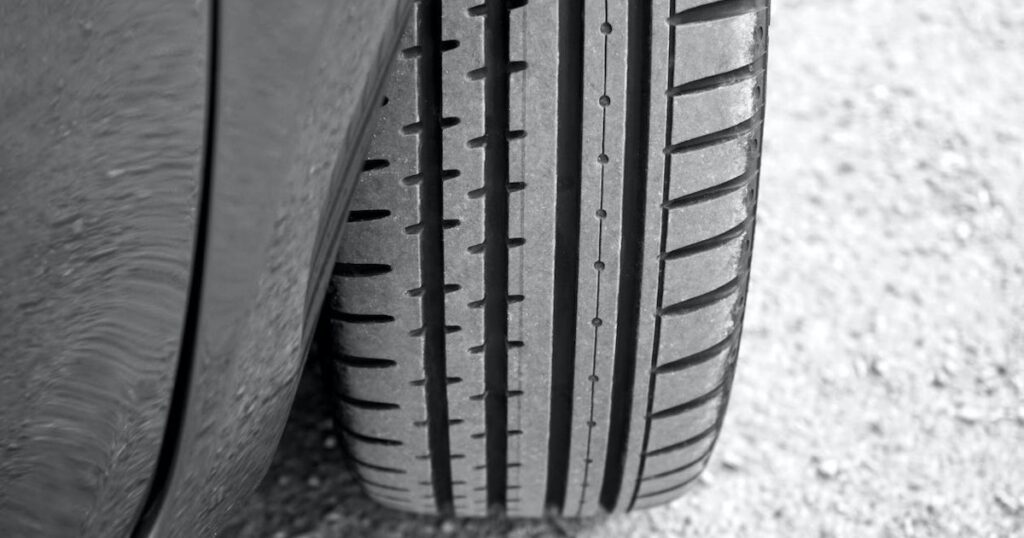
Choosing the right winter tire isn’t just a matter of compliance; it’s a significant safety measure. Delving into the science behind these tires gives insight into their importance. From rubber composition to unique tread patterns, winter tires must and can navigate the challenging conditions of icy and snowy roads.

Winter tires

The rise of studded tires

Studded winter tires have been making a significant mark in recent trends. With small metal pins (studs) embedded into the tread, these tires offer exceptional grip on icy roads. 

While they’ve been a topic of debate due to the wear they can cause to road surfaces, there’s no denying their effectiveness in harsh winter conditions. Let’s explore their advantages and the regions where they’re most effective.

Nokian tires

In the universe of winter tires, Nokian stands out as a brand that has continually pushed the envelope. They are known for their innovative designs and relentless commitment to safety. Nokian tires have become a preferred choice for many. We’ll delve into what makes this brand tick and their latest offerings for the impending winter.

Michelin tires

Michelin, a brand synonymous with quality and reliability, has been making waves with their winter tire lineup. They are known for their innovative tread patterns and unique rubber compounds.

 Michelin tires ensure maximum grip even in the harshest winter conditions. Their advanced silica-based tread compounds remain flexible even at sub-zero temperatures, ensuring consistent performance. The brand boasts some of the longest-lasting winter tires on the market.

Bridgestone tires

Bridgestone, another giant in the tire industry, presents a range of winter tires that focus on precision and control. Their proprietary Multicell technology wicks away water from the tire surface, addressing the threat of ice and snow build-up. 

That ensures better traction and shorter braking distances on slippery surfaces. Bridgestone offers tires with deeper grooves and aggressive tread patterns, guaranteeing optimal performance for those dealing with heavy snowfall.

Continental’s cold weather conquerors

Continental has always been at the forefront of tire technology. Their winter range exemplifies this with tires that have an optimized footprint, ensuring even pressure distribution and better road contact in snowy conditions.

 Moreover, their unique “PolarPlus” technology uses a special compound that grips the road better as temperatures drop. Continental promises safety without compromising comfort for drivers who frequently traverse through heavy snow and icy patches.

These manufacturers and Nokian are leading the way in winter tire technology. The right choice depends on your specific driving conditions and personal preferences. Always remember, investing in quality winter tires is investing in your safety on the road.

Sustainable trends in tire manufacturing

With increasing emphasis on sustainability and eco-friendly practices, the tire industry is still catching up. Discover the latest advancements in producing tires that ensure safety on roads and leave a reduced carbon footprint. From recycled materials to innovative manufacturing processes, winter tires’ future is safe and green.

Tech integration: Smart tires on the horizon

Even tires are getting a tech makeover in the IoT and smart technologies age. Learn about the latest trends where tires have sensors to relay real-time data about wear, pressure, and even road conditions. Such advancements promise not just enhanced safety but also a futuristic driving experience.

Conclusion: Winter tires – More than just a seasonal change

The realm of winter tires is expansive and continually evolving, reflecting technological advancements and the ever-growing emphasis on safety and sustainability.

For our dedicated readers at Amoplant.lv, staying informed means staying safe and enjoying a seamless winter driving experience. As the mercury drops, equip yourself with knowledge and make your winter journeys safe and memorable.

Optimizing Freight Truck Routes: The Road to Efficiency

Map

For any business owner managing a fleet of trucks, optimizing routes is similar to piecing together a puzzle. The goal? A seamless journey that consumes less fuel costs fewer dimes, and delivers on time. Let’s gear up and delve into the heart of route optimization and how it’s revving the freight trucking industry.

Freight truck

Understanding the significance of route optimization

Have you ever witnessed the frustrating scene of a truck stuck in traffic or taking a detour because of unexpected road conditions?

Such incidents aren’t mere inconveniences. They echo wasted resources, time, and money. But in this age of technological advancements, there’s a beacon of hope: route optimization. Let’s unpack why this concept is becoming a cornerstone for freight businesses.

Route optimization is more than finding the quickest path from Point A to Point B. It’s about factoring in myriad elements like traffic, delivery slots, and vehicle constraints to craft a way that ensures the smoothest possible journey with the most minor disruptions.

The revolution of advanced software in route planning

Paper maps and basic GPS tools were once the guardians of the road. But today, the guardians have evolved, taking on digital avatars powered by sophisticated software. But why is this shift significant?

And how is software truly reshaping the freight landscape? Cutting-edge route optimization software can rapidly dissect and analyze oceans of data. These systems design real-time optimal routes by integrating diverse elements like delivery points, cargo specifics, and truck metrics.

The availability of cloud-centric solutions also allows businesses to orchestrate their entire fleet from anywhere, granting them an aerial view of operations.

The power of real-time traffic analysis

Every driver has a nemesis; for many, it’s the unpredictable specter of traffic. This foe manifests as delayed shipments and surging operational costs for the freight industry. But with the dawn of real-time traffic analysis, the tables are turning. How exactly does this instant data access reshape the trucking journey?

Integrating with live traffic data, route optimization systems can swiftly adapt routes. So, there’s a sudden bottleneck or a road blockage. In that case, the software immediately proposes an alternative, ensuring drivers sidestep the hiccup, paving the way for consistent and timely deliveries.

Traffic

How route optimization refuels time, fuel, and finances

When diving into the mechanics of route optimization, it’s essential to translate technological jargon into tangible benefits. What does a well-optimized route mean for a business’s bottom line, environmental footprint, and clientele?

  • Fuel efficiency: Trucks consume fuel more judiciously by dodging traffic and following streamlined routes. This cumulative effect leads to noticeable financial savings.
  • Reduced delivery times: Accelerated routes mean products reach their end points more swiftly, enhancing customer delight and increasing delivery turnover.
  • Lower operational costs: Diminished road hours translate to fewer truck maintenance needs and a decline in human resources costs.

Route optimization’s environmental bonus

In the grand narrative of route optimization, there’s an often overlooked chapter – its ecological impact. While businesses primarily adopt these systems for efficiency and economy, they inadvertently contribute to a larger, global cause. Let’s spotlight this eco-friendly twist.

Optimized road mapping

By championing optimized routes, trucks inadvertently curb their fuel usage. This reduction corresponds with a decrease in greenhouse gas emissions. Consequently, businesses are steering towards more than just enhanced profits and contributing to a healthier, cleaner planet.

Optimized road mapping is not just a futuristic ambition but a present-day necessity. With advanced software and live data analysis taking the wheel, the freight industry is navigating toward unmatched efficiency.

For businesses ready to embrace this evolution, the road ahead promises unprecedented success and sustainability. Let’s embark on this optimized voyage together and check out more in amoplant.lv!