Building Healthy Eating Habits on a Construction Site

construction site

In the world of construction, beams, bricks, and mortar aren’t the only essentials. As professionals shaping our city’s skyline, it’s crucial to fuel our bodies adequately. But let’s face it, finding a healthy meal on a busy construction site can be as challenging as fitting a beam perfectly.

If you ever munched on a greasy burger or skipped lunch altogether due to tight deadlines, then this blog is for you. Dive in with us at amoplant.lv as we break down eating choices on a construction site and pave the way to healthy eating habits.

Common lunch habits

lunch break

Amidst the sound of hammers and drills, there’s another sound that is often overlooked. The rumbling of stomachs. On a construction site, the focus is on building structures, but what about building healthy eating habits? Before we venture into the ideal, let’s first understand the current landscape. What’s in the lunchbox for many construction workers when surrounded by bricks and beams?

A large number of construction workers often resort to:

  • Fast food: Quick, cheap, and easily available.
  • Pre-packaged snacks: Chips, cookies, or sugary drinks for that quick energy boost.
  • Skipping meals: Especially when deadlines are looming.

These options may offer convenience. But they also lack the essential nutrients needed for the strenuous work on a construction site. Over time, relying solely on these can lead to health issues and decreased energy levels.

Rethinking eating habits

Food is fuel. And for those in the physically demanding world of construction, the right kind of fuel is paramount. Yet, the challenges of a construction site can make it tough to choose wisely. As we put down our tools and put on our thinking caps, let’s reimagine lunchtime on a construction site. What if we could swap those grease-laden, sugar-packed options for something more nourishing?

Here are some alternatives:

  • Homemade Sandwiches: A sandwich filled with lean meats, lettuce, tomatoes, and a slice of cheese can be both delicious and nutritious.
  • Salads: A mix of greens, beans, and some grilled chicken or tofu can offer protein and essential vitamins.
  • Fruits & Nuts: Instead of chips, consider a mix of almonds, walnuts, or an apple.

Yes, these require a bit of preparation, but the benefits are immense. You’ll notice big changes not only in your health but also in your wallet. Plus, there’s nothing like a homemade meal to lift spirits in the middle of a workday.

A warm solution

The notion of a warm, home-cooked meal evokes feelings of comfort, love, and satisfaction. But for many working on construction sites, this feeling seems reserved for dinners at home. But what if there was a way to bridge this gap? A way to bring that warmth, that taste of home right to the heart of the construction zone? Enter the humble food thermos, a beacon of hope for many, waiting to transform lunchtimes.

A thermos for food is designed to keep meals hot or cold for extended periods. Here’s how it can revolutionize your lunchtime:

  • Pasta, Rice, and More: Imagine opening your thermos to find steaming spaghetti or a savory chicken curry.
  • Saves Money: No more spending on daily takeouts.
  • Variety: From soups to stews, the options are endless.

A food thermos is not just a container. It’s a gateway to healthier, varied, and more enjoyable meals. It also makes for a practical gift for a man working in the construction industry.

Trending portable salad bars

In a world that’s ever-evolving, even the world of lunchboxes isn’t left behind. With health and convenience in mind, innovative solutions blend the best of both worlds. At this intersection of health and innovation, one trend is redefining the traditional salad. Let’s dive into this fresh wave that’s making salads both trendy and transport-friendly.

The concept of portable salad bars is gaining traction. These are compact containers with separate sections for dressings, toppings, and greens, ensuring nothing gets soggy. Paired with a cool pack, it guarantees a fresh, crunchy salad even hours after packing.

This trend aligns perfectly with the need for healthy, portable options. It’s a testament that when innovation meets health, wonderful things happen.

Remember that while constructing magnificent structures, it’s equally essential to build healthy eating habits. Just as a building needs a robust foundation, our bodies demand proper nutrition. As we’ve discovered, with a little planning and the right tools, a wholesome lunch is more than achievable. 

Know someone who works long hours and would love to gift them a thermos to improve their eating habits? Check out our other blogs!

Here’s to stronger buildings and healthier bodies!
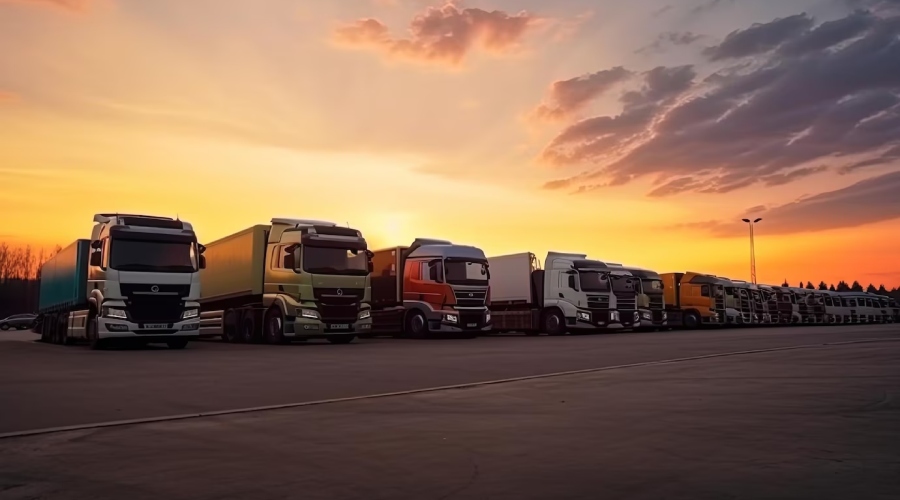
How International Politics Affect Freight Transport

Freight Transport

The interconnected world of the 21st century is marked by an ever-increasing volume of goods moving between countries, making freight transport an essential aspect of global commerce. As products weave through vast supply chains, they might start their journey in one country, pass through several others for processing and finally reach consumers in a completely different part of the world. 

With such complexity, one might assume that this flow is purely determined by economic factors like supply and demand. However, international politics plays a crucial role in shaping the patterns, costs, and efficiencies of freight transport. Especially in regions like the European Union (EU), where member states maintain strong political and economic ties.

Understanding this dynamic is vital for businesses, policymakers, and consumers alike. It provides insights into potential disruptions in supply chains, reveals vulnerabilities, and offers clues for strategic planning. 

So in this article, we will delve into how international politics influences the movement of goods and commodities.

Trade agreements and freight movement

At the heart of international politics lies the negotiation of trade agreements, and these pacts largely dictate the terms of freight movement.

Trade agreements set the rules for how goods and services move between countries. They can determine tariff rates, set quotas, and establish standards for safety and quality. Within the EU, the Single Market has facilitated the free movement of goods, services, capital, and labor, making freight transport between member states relatively smooth. 

However, when EU countries negotiate with non-EU countries, the resulting agreements can affect how goods move in and out of the bloc.

For instance, when the EU strikes a free trade agreement (FTA) with another country, goods from that country may enter the EU with reduced or zero tariffs, making them more competitive and possibly increasing their volume of imports. Conversely, any disagreement or tensions leading to trade restrictions can slow down freight movement, increase costs, and cause supply chain disruptions.

Freight Transport

Sanctions and embargoes

Beyond trade agreements, nations sometimes resort to punitive measures like sanctions and embargoes, wielding them as political tools with direct implications for freight transport.

Sanctions are penalties imposed on countries due to various reasons, such as human rights abuses or nuclear proliferation. Embargoes, on the other hand, are a complete halt on certain goods or trade altogether. 

When the EU, either unilaterally or as part of a larger international effort, imposes sanctions or embargoes on another country, freight transport to and from that country can be severely impacted.

For freight carriers, this means re-routing or even halting shipments, which can lead to increased costs. Businesses relying on imports from sanctioned countries might face shortages. That way compelling them to seek alternative suppliers.

Infrastructure investments and policies

Freight movement doesn’t just depend on the ‘what’ and ‘where’ but also on the ‘how’. Here, the role of infrastructure, backed by political decisions, comes into play.

Governments invest in infrastructure such as roads, ports, railways, and airports. Within the EU, member states coordinate and receive support for major infrastructure projects that can enhance connectivity and facilitate smoother freight movement. 

And when a country prioritizes a particular mode of transport or route due to its foreign policy or domestic considerations, it can alter the dynamics of freight transport.

For instance, the EU’s Trans-European Transport Network (TEN-T) policy aims to boost the efficiency and sustainability of transport networks across the member states. Such policies, driven by political consensus, can open up newer, faster, or more economical routes for freight carriers.

Infrastructure decisions, thus, are not just economic but deeply political, shaping the contours of freight transport for years to come.

Freight Transport politics

Environmental regulations

As the world grapples with climate change, environmental considerations have climbed the political agenda, influencing freight transport decisions.

The EU has been at the forefront of environmental regulations, setting ambitious targets to reduce carbon emissions. This has direct repercussions for the freight industry. Regulations might push for cleaner fuel alternatives, impose emission caps, or incentivize electric freight vehicles.

Freight carriers need to adapt to these regulations, which might mean investing in new technologies or changing transportation modes. For example, a shift from road transport to rail or waterways might be encouraged to reduce the carbon footprint.

For businesses, it’s imperative to:

  • Stay updated with EU’s evolving environmental regulations
  • Explore collaborations for shared transportation to reduce costs and emissions
  • Invest in research and development for cleaner transport solutions

As the world seeks sustainable solutions, freight transport isn’t just about moving goods; it’s about moving them responsibly.

Check out our other related articles such as:

In conclusion, the intricate dance of international politics significantly affects the rhythms of freight transport. 

So by understanding these dynamics, especially in influential regions like the EU, stakeholders can better navigate the challenges and opportunities that lie ahead.