How Does a Bad Credit History Affect Car Leasing Terms?

car leasing

In today’s world, where mobility is critical, leasing a car can be a convenient alternative to buying. However, leasing a vehicle can present unique challenges for individuals with a less-than-stellar credit history.

This article on amoplant.lv explores how bad credit history affects car leasing terms and offers practical advice to help you navigate this complex landscape and find solutions that work for you.

The impact of credit history on leasing

The first step is to understand how credit history influences leasing decisions. Leasing companies view your credit score as an indicator of your likelihood to make payments on time.

A lower credit score can often lead to less favorable leasing terms. It might include higher interest rates, a larger down payment, or even the necessity for a co-signer.

Higher costs and security deposits

If you need a better credit history, be prepared for potentially higher costs. Leasing companies may require a larger security deposit to mitigate the risk of a lower credit score. The monthly lease payments could also be higher due to increased interest rates.

Limited options and stringent terms

Another consequence of a poor credit score is the limited choice of cars. Some leasing companies might restrict the range of cars available to customers with bad credit.

Furthermore, the lease terms might be more stringent, with less flexibility regarding mileage limits and customization options.

Strategies to improve leasing terms

Despite these challenges, there are strategies to improve your leasing terms. Firstly, consider improving your credit history before applying for a lease.

Simple steps like paying bills on time or improving your credit history can make a significant difference. Shopping around for leasing options and negotiating terms can also lead to more favorable outcomes.

Trending

The good news is that the market is adapting, with more leasing companies willing to work with individuals with varied credit histories.

Using tools like the car leasing calculator,  you can better understand what to expect and prepare accordingly.

Conclusion

Navigating car leasing with a bad credit history can be challenging, but it’s not impossible. By understanding the implications, improving your credit score, and exploring the market, you can find terms that suit your situation.

Remember, informed decisions are the key to successfully managing car leasing options. For more insights on car leasing and managing finances effectively, stay tuned to amoplant.lv.

Cost-Saving Strategies in Transportation Negotiations

transportation cost savings

It can be daunting for companies to navigate the complexities of transportation contracts. But by negotiating strategically, they can save a lot. Knowing how to work well with carriers such as Ursus Forwarding can lower logistics expenses while keeping the service standard high.

Bundling services for better rates

In the complex world of logistics, combining multiple services offers a pathway to more competitive pricing. Companies can join forces to increase their bargaining power by using combined land, sea, and air transportation services.

This can lead to better rates and terms, especially when negotiating with full-service freight forwarding providers like Ursus Forwarding. Companies can use a combination of road, rail, and ocean services to negotiate improved rates based on their combined volume.

Ursus Forwarding, for example, offers various services like heavy lift, customs brokerage, and freight insurance. This can lead to better pricing because companies can consolidate their transportation needs in one place.

Savings through long-term contracts

Long-term commitments in transportation contracts are more than just extended agreements; they’re strategic moves toward cost efficiency. Companies such as Ursus Forwarding value the predictability and consistency of a long-term relationship.

Transportation companies frequently provide discounted rates for extended contracts, guaranteeing a stable stream of business. Ursus Forwarding, with its long experience and customer relationships in 32 countries, will appreciate the stability of long-term agreements. This gives you a better price.

Navigating ancillary fees

ancillary fees

Often overlooked, ancillary fees in transportation can significantly impact overall costs. Companies that effectively manage and negotiate charges, especially with a versatile company like Ursus Forwarding, can find hidden savings.

Knowing the details of costs like storage, processing, and customs helps companies determine where to negotiate discounts or exemptions. With Ursus Forwarding’s expertise in various logistics services, companies can discuss and potentially minimize these additional costs.

Leveraging off-peak shipping

Utilizing off-peak shipping periods is an intelligent strategy to cut costs. During these times, businesses seeking to cut their shipping expenses could consider transportation companies like Ursus Forwarding. 

These companies may provide more appealing rates, thereby presenting a cost-efficient option. Transportation companies might offer lower rates for off-peak periods. By scheduling shipments during these times, businesses can achieve considerable savings. 

Ursus Forwarding has transported goods for many years using various transportation methods. It can assist clients in determining the optimal shipping schedule and managing costs while maintaining prompt delivery.

Negotiating the unconventional

negotiating about transportation

Exploring unconventional negotiation points can reveal unexpected avenues for cost savings. Creative discussions with carriers about payment terms, backhaul options, or performance incentives can lead to innovative, mutually beneficial solutions.

This could include negotiating payment terms, looking for backhaul opportunities, or discussing performance-based rate adjustments. Ursus Forwarding is the first choice for forward-looking negotiations. Being adaptable and dedicated to contemporary logistics is what leads to success.

Maximizing value in transportation partnerships

Effective negotiation with transportation companies goes beyond simply haggling over rates. Understanding the services offered, such as Ursus Forwarding, and taking a strategic approach to contractual terms is required. Read also about why transportation costs are rising.

Businesses can save big by bundling services, choosing longer contracts, scrutinizing ancillary fees, shipping off-peak, and exploring unique negotiation strategies. This also helps their bottom line. It builds a good, cooperative connection with their transportation company.

Electric cars for international freight transport

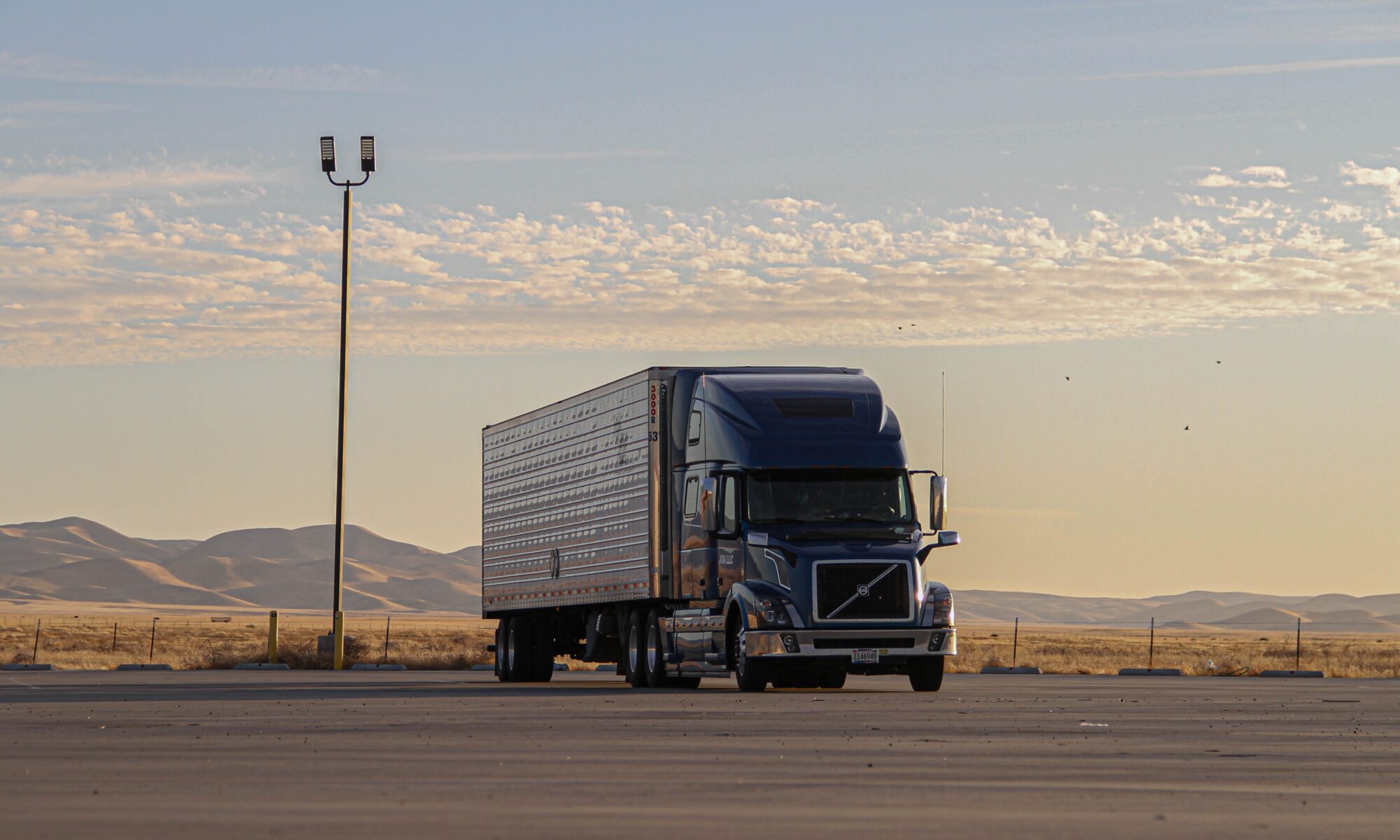
truck on the horizon

Innovation and sustainability drive electric vehicles (EVs) in personal transportation, yet international freight electrification is uncharted. Can we foresee a future with electric giants crossing borders seamlessly? Join amoplant.lv as we explore the possibilities and challenges on this electrifying haulage journey.

The road to electric international freight

Electric trucks for international freight, like growing saplings, need specific conditions to become a reality.

In the journey towards a greener and more efficient future of international freight, several key aspects demand focused attention, including:

  • Infrastructure Development: The backbone of electrifying international freight will be a robust charging infrastructure with fast chargers and repair hubs.
  • Battery Innovations: Enhanced battery life and reduced charging times are essential. Current lithium-ion batteries need to evolve to cater to the long hauls and heavy weights of international transport.
  • Regulatory Support: Governments need to draft conducive policies, provide incentives, and invest in research to boost the adoption of electric trucks.
  • Economical Viability: The initial investment in electric trucks should be competitive with traditional freight cars. This includes not just the purchase price but the total cost of ownership.

Electric giants on the horizon

Estimating the electric truck’s dominance in international freight is like peering into a crystal ball. It is full of possibilities yet shrouded in uncertainties.

As we envision the future of electric trucks in international freight, we can outline distinct phases:

  • Short-term (0-5 years): Incremental growth with pilot programs and limited routes. Adoption in smaller regional networks will be more feasible.
  • Mid-term (5-15 years): As technology matures and costs drop, a noticeable shift to electric trucks for longer routes is expected.
  • Long-term (15+ years): With global collaboration and advanced infrastructure, electric trucks could become the gold standard in international freight.

Advantages of electric trucks in global freight

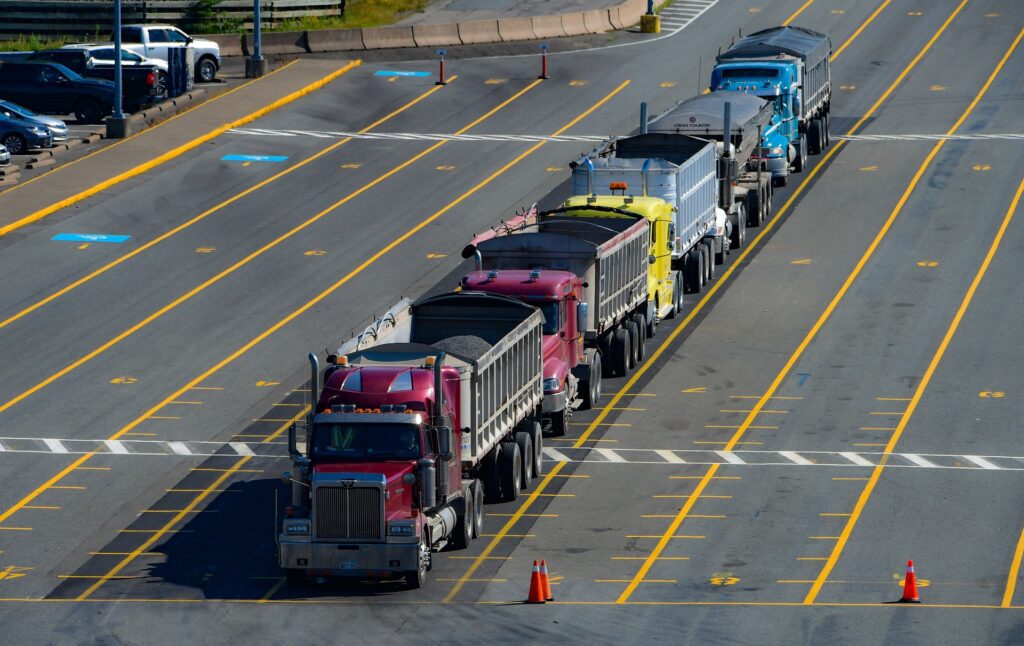
several trucks on the road

The move to electric trucks for international transport is not just a technological leap – it’s a commitment to a sustainable future. Embracing the numerous benefits of this transition can revolutionize the freight sector, offering a path towards sustainable solutions.

Electric trucks bring environmental benefits with zero tailpipe emissions, promoting cleaner urban air and lower CO2 emissions with renewable energy. Operationally, they offer cost savings through reduced electricity and maintenance expenses.

Moreover, embracing electric trucks enhances a company’s eco-friendly image and reduces noise disturbances at night. Additionally, electric trucks promote energy independence by using locally-sourced electricity, reducing reliance on volatile oil markets.

Challenges of electric freight transport

While the future of electric trucking holds promise, it’s also riddled with challenges that demand attention for a smooth transition. Immediate concerns revolve around the substantial initial investment required, overshadowing operational savings and deterring cost-conscious businesses.

A robust global charging network is essential, insufficient fast-charging hinders operations. Electric truck tech, particularly batteries, grapples with range limitations and cargo-weight trade-offs, impacting operational viability as batteries degrade.

While eco-friendly, battery production and disposal have ecological concerns, from material mining to waste management. Rapid EV tech evolution may make early investments obsolete. Proactively tackling these issues is essential for a smooth shift to electric global freight transport.

Hydrogen fuel cells for freight transport

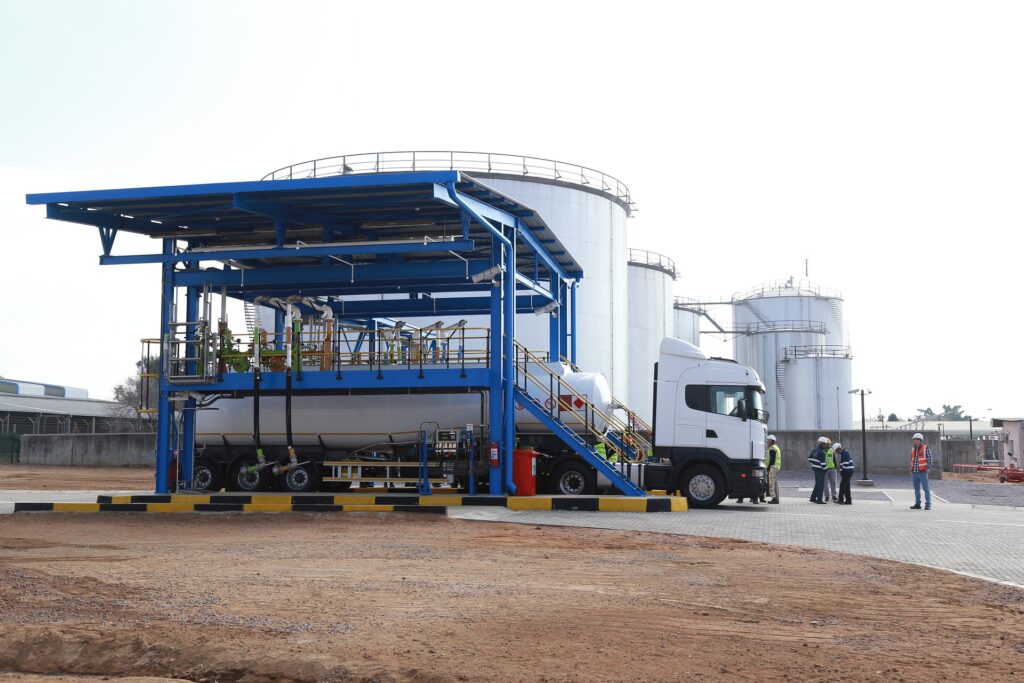
truck maintenance at the station

While batteries are making headlines, there’s an undercurrent of excitement about another green technology in the freight sector—hydrogen fuel cells:

  • What are they? Hydrogen fuel cells generate electricity by combining hydrogen and oxygen, producing water as a byproduct.
  • Advantages: They offer faster refueling times compared to charging batteries and potentially longer ranges, making them an interesting contender for international freight.
  • Challenges: Production of hydrogen is energy-intensive, and infrastructure for hydrogen refueling is in its nascent stages.

Charting the electric odyssey with amoplant.lv

Dear amoplant.lv auto and freight enthusiasts, we play a crucial role in the upcoming transport revolution. The path to an electrified global freight system may be challenging, but with innovation and sustainability as our compass, we can navigate this transformation. Stay informed, stay energized, and let’s drive towards a greener future!

Which Cars Do Women Prefer

Woman uses tablet in a car

The automotive world is diverse. The link between personal preferences, car models, and cars women prefer is intricate. Vehicles have evolved with technology and design, just like drivers’ preferences.

Women, a significant demographic in the auto market, have distinct tastes that car manufacturers cater to. In this piece for the discerning readers of amoplant.lv, we delve into female preferences. We categorize them into two primary groups: the independent woman and family matriarchs. Join us in discovering the perfect ride for you or the women in your life.

The independent women’s car preferences

Woman applies lipstick in car

The modern woman who relishes her independence often seeks a vehicle that mirrors her zest for life, efficiency, and style, with cars women prefer. For her, a car isn’t just a mode of transport – it’s an extension of her identity.

When it comes to selecting the right vehicle, the independent women often explore three key considerations:

  • Efficiency and Economy: Women who lead a single, dynamic lifestyle often prioritize fuel efficiency and low maintenance costs. Cars like the Toyota Prius or Mazda3, known for their stellar miles-per-gallon figures, fit the bill perfectly.
  • Compact Design with a Dash of Luxury: In crowded urban landscapes, a compact car is a boon. However, this doesn’t mean compromising on luxury. The MINI Cooper or Audi A3 provide both—easy to park and brimming with opulence.
  • Safety First: Features like automatic emergency braking, lane departure warnings, and a comprehensive set of airbags are often non-negotiable. The Volvo XC40, renowned for its safety features, becomes an ideal choice.

For those contemplating a shift from brand-new vehicles, the allure of used cars can be compelling, offering both value and variety.

Entertainment and comfort for family drives

Mother secures daughter in seat

Juggling work, home, and school runs, the family women prefer a multifunctional car, a dependable ally in her daily life. Additionally, many families also find the inclusion of food termos essential to keep meals warm and readily available during their busy schedules.

When looking for the perfect family car, women consider four essential factors:

  • Spacious Interiors: A family necessitates space. SUVs like the Honda CR-V or Toyota Highlander, with their generous seating capacity and cargo space, are often favored.
  • Safety Takes the Front Seat: With precious cargo onboard, cars like the Subaru Outback, which boasts top safety ratings, become a preferred choice.
  • Entertainment and Comfort: Long drives with kids call for entertainment options. Vehicles like the Chrysler Pacifica, equipped with rear-seat entertainment systems, can be lifesavers.
  • Economical Operation: Balancing a family budget means considering the total cost of ownership. Opting for models with extended warranties and low maintenance costs can be crucial. Here, considering a car loan can also be a wise decision, offering financial flexibility.

Hybrids and electrics on the rise

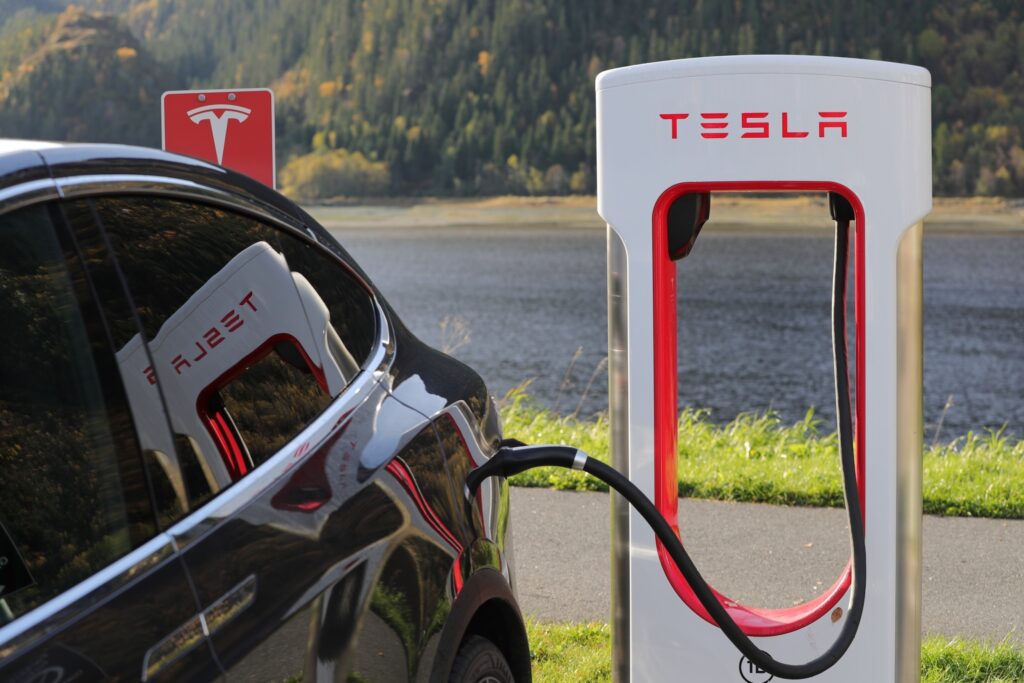
Refueling tesla

With the world veering towards sustainability, the automotive landscape isn’t left behind. Women, being pivotal drivers of change, are increasingly leaning towards greener options.

Let’s explore two distinct categories that might align with their environmentally-conscious choices:

  • Eco-Friendly Engines: Hybrid and electric cars are seeing a surge in popularity. The Tesla Model 3 or Nissan Leaf, with their impressive range and eco-credentials, are making waves.
  • Sustainable Interiors: Cars fitted with interiors using recycled or sustainable materials are in vogue. For instance, the BMW i3’s cabin, made from renewable sources, has garnered attention.

Steering towards informed choices

Dear amoplant.lv enthusiasts, our choice of vehicle is a crucial companion in life. For women, whether independent or nurturing a family, this decision encompasses style, safety, efficiency, and eco-friendliness. Whether you’re buying new, considering used cars, or exploring car loans, it’s about more than wheels and an engine—it’s finding a part of yourself on the road. Drive safely and enjoy the journey!