Keys to Successful Cooperation with Asian Suppliers

asian suppliers

Businesses operating in the Slavic market must understand the nuances of sourcing raw materials from Asia to succeed internationally. Asia is a critical area for buying and selling things globally. It has particular opportunities and challenges for people wanting to do business there.

This article will examine the best ways to manage buying and moving things from Asia. We’ll also talk about the main things in international freight forwarding that Slavic business people need to know. This helps to grow a strong business in this fast-growing region.

Developing the Asian supply chain

Thinking through every supply chain step is vital when ordering products from Asia. Factors such as choosing strategic warehouse locations and identifying efficient transport routes must be considered. 

Analyzing market demand and calculating transport costs and lead times are essential to developing a cost-effective and reliable supply chain. Understanding the nuances of Asian markets and logistics networks is relatively easy.

asian supply warehouse

Helpful warehouse location

In Asia, the location of your warehouse has a significant impact on logistics operations. Before picking the best warehouse, it’s important to see if it’s near places where things are made, big ports, and ways to move stuff around.

Having smartly placed warehouses can make moving things faster and cheaper. It also helps you quickly adjust to changes in what people want to buy. Moreover, it ensures things move smoothly from one place to another in your business.

Optimizing procurement transport routes

Choosing the most appropriate transport routes is crucial to sourcing resources from Asia successfully. For example, combining air and sea freight can improve the flexibility and cost-effectiveness of inter-ocean delivery.

Knowing much about transportation in Asia, like shipping things across the sea, helps make good plans. It’s super important to plan the best ways to move items so you can get products from Asia quickly and without problems. 

asian transport routes

Borrowing successful experience

Analyzing companies that have successfully sourced from Asian markets can provide valuable lessons. These stories often show how transport costs and delivery times can be reduced in real terms. Companies also usually share the challenges they face at different stages of the Asian supply chain.

Tata Sons is a perfect example of a company buying things well from Asia. They use unique technology to make their buying better and faster. This way, they can quickly get what they need, which greatly helps them in the long run. It shows they have an intelligent way of getting stuff from Asia.

The evolution of modern Asian logistics

It is essential to keep up to date with the latest trends in Asian logistics. Some new things happening in buying and selling stuff include using digital tools to manage how things move, being more environmentally friendly, and changing rules about trading.

If Slavic businesses keep up with these changes, they’ll adjust better and make the most of new chances. This will help their business and make their trade with Asian countries stronger.

For the amoplant.lv community, mastering logistics strategies to secure shipments from Asia is about building bridges between Slavic entrepreneurs and Asian markets. By using intelligent ways to move and deliver things, business people can spend less money, get better at what they do, and help their company grow and do well worldwide.
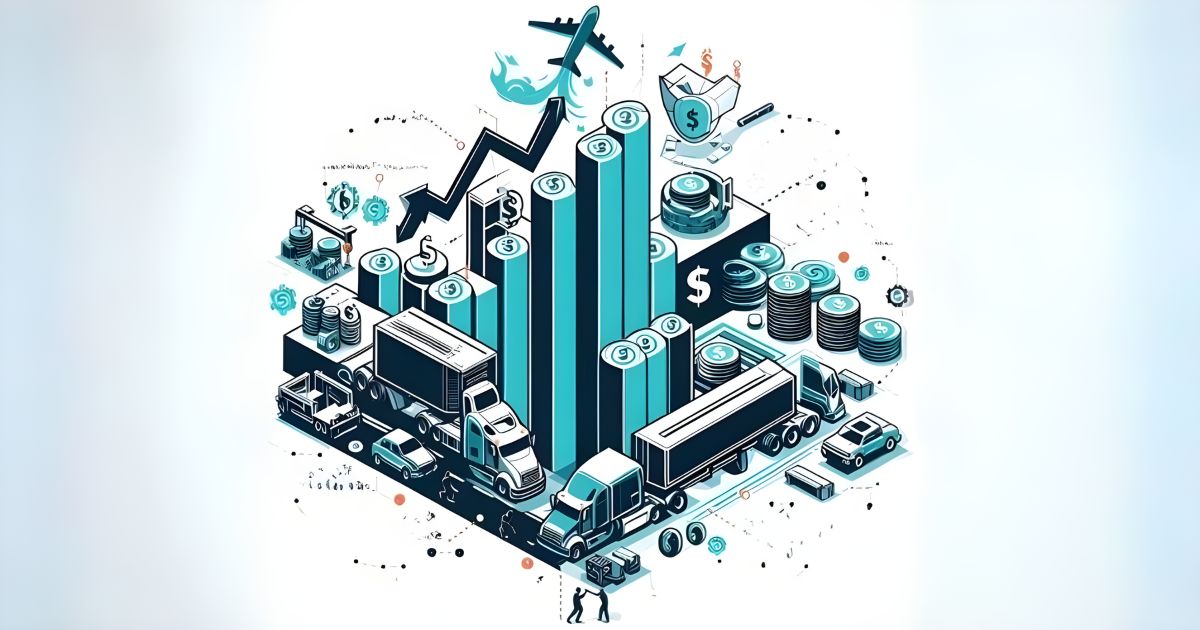
Why Are Transportation Costs Rising?

parvadajumu izmaksas

The world of transport and logistics is constantly evolving, so the cost of domestic and international freight services is often variable. As avid AmoPlant readers, you know how this affects the automotive industry from production to delivery. 

In this article, we will analyze the factors that contribute to the fluctuation of transportation costs on a domestic and global scale. Understanding these dynamics can help reveal the challenges facing automotive companies and consumers.

The impact of shipping costs

Freight costs are an essential component of the supply chain in the automotive sector. Whether you are a manufacturer, trader, or buyer, it is crucial to understand the reasons behind cost fluctuations to make informed decisions. Changes in transport costs can affect prices, car loans, and even the availability of specific models. 

Domestic freight costs

Inland freight costs include the costs associated with transporting freight within a single country. These costs vary due to various factors which cause significant fluctuations in the market over time.

Various large-scale local events have a significant impact on domestic freight costs. For example, the price of gas can go up or down, workers can go on strike, or new roads and bridges can be built. These things can make transportation more or less expensive, affecting how the car industry plans its logistics.

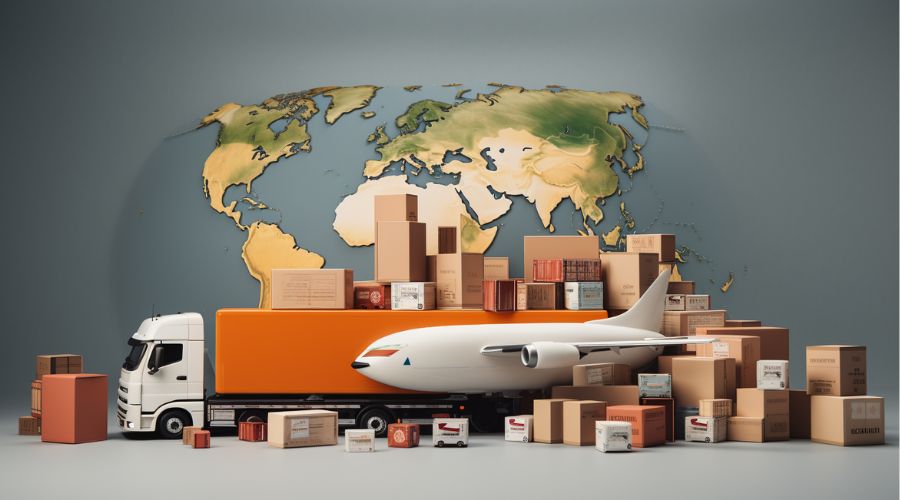
international transportation

International freight costs

Moving goods across different countries and seas takes work. Many things can affect how this process works and make the cost of moving goods go up or down.

Some of these things are conflicts between countries, changes in the value of money, and problems in the supply chain. If we look at how these things work, we can better understand the car industry’s challenges when it makes and delivers cars.

Fuel prices and trends in the energy sector

Fuel is the driving force behind vehicles, and its price is a significant determinant of transport costs. However, not only the price of fuel matters but also the sources and availability of energy.

Global oil prices, the use of renewable energies, and environmental regulations determine fuel costs and, thus, transportation costs. We should stay updated on the latest inventions and help people switch to electric cars. We should also support researching and developing technologies that can save fuel.

Investing in infrastructure

Good roads, bridges, and other infrastructure make it easier and faster to transport goods. Building better roads, ports, and railways can make moving goods within and outside the country cheaper.

A mix of government initiatives and private sector investment in infrastructure can improve transport networks, reducing costs and congestion in supply chains. Infrastructure investment also helps increase freight transport volume and quality and supports economic development and competitiveness.

infrastucture

Highlights in the automotive sector

Interest in sustainable transport solutions is growing among car enthusiasts and industry professionals. Electric vehicles (EVs) and environmentally friendly logistics are becoming increasingly popular. These trends can help the environment and the economy. We need to learn from them and use them in our work. This is very important if we want to stay ahead in the car industry.

Adapting to a changing transport environment

Transportation costs are a constantly changing automotive industry component affecting prices, availability, and logistics. You can make informed decisions as a consumer, industry professional, or car enthusiast by assessing the conditions influencing cost fluctuations. Get more information on transporting goods in our haulage category.

The car industry is constantly changing, and we need to keep an eye on the things that affect how much it costs to move cars. With this knowledge, you can navigate the dynamic field of transport costs and contribute to more efficient and sustainable vehicles.