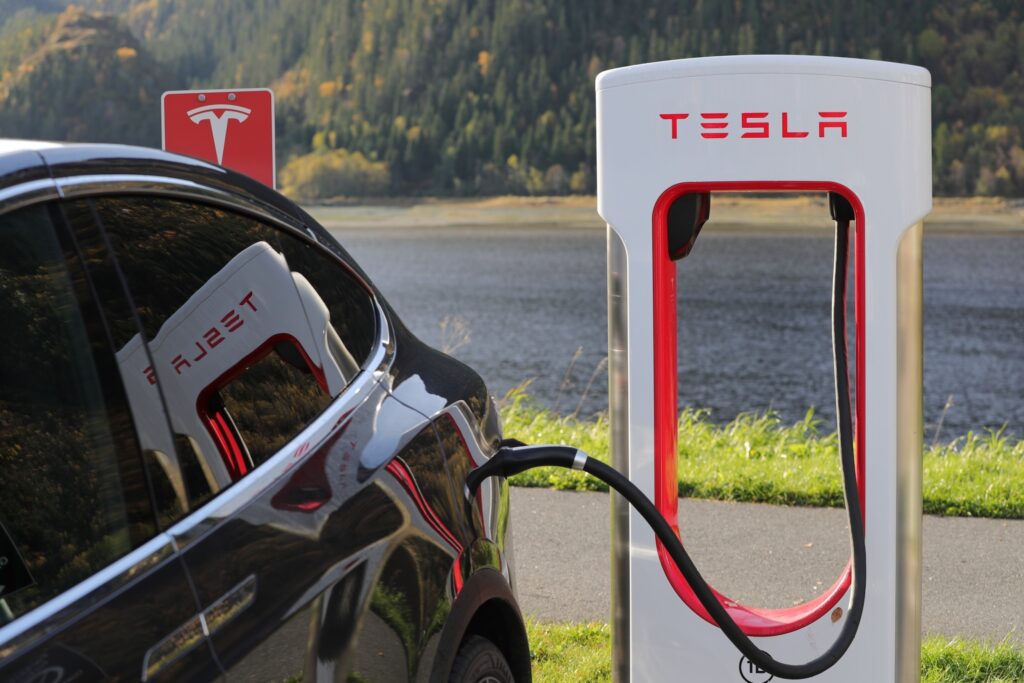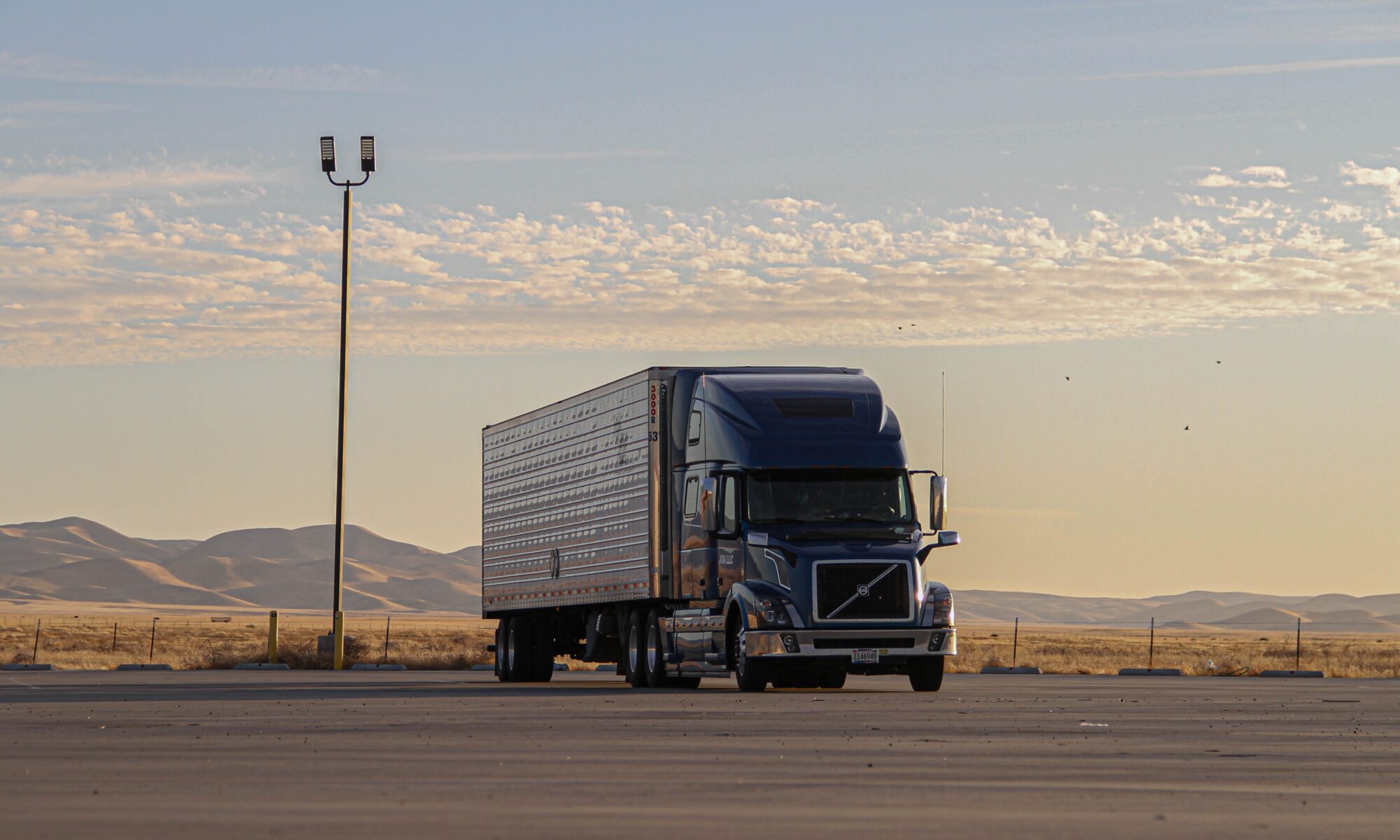
Innovation and sustainability drive electric vehicles (EVs) in personal transportation, yet international freight electrification is uncharted. Can we foresee a future with electric giants crossing borders seamlessly? Join amoplant.lv as we explore the possibilities and challenges on this electrifying haulage journey.
The road to electric international freight
Electric trucks for international freight, like growing saplings, need specific conditions to become a reality.
In the journey towards a greener and more efficient future of international freight, several key aspects demand focused attention, including:
- Infrastructure Development: The backbone of electrifying international freight will be a robust charging infrastructure with fast chargers and repair hubs.
- Battery Innovations: Enhanced battery life and reduced charging times are essential. Current lithium-ion batteries need to evolve to cater to the long hauls and heavy weights of international transport.
- Regulatory Support: Governments need to draft conducive policies, provide incentives, and invest in research to boost the adoption of electric trucks.
- Economical Viability: The initial investment in electric trucks should be competitive with traditional freight cars. This includes not just the purchase price but the total cost of ownership.
Electric giants on the horizon
Estimating the electric truck’s dominance in international freight is like peering into a crystal ball. It is full of possibilities yet shrouded in uncertainties.
As we envision the future of electric trucks in international freight, we can outline distinct phases:
- Short-term (0-5 years): Incremental growth with pilot programs and limited routes. Adoption in smaller regional networks will be more feasible.
- Mid-term (5-15 years): As technology matures and costs drop, a noticeable shift to electric trucks for longer routes is expected.
- Long-term (15+ years): With global collaboration and advanced infrastructure, electric trucks could become the gold standard in international freight.
Advantages of electric trucks in global freight
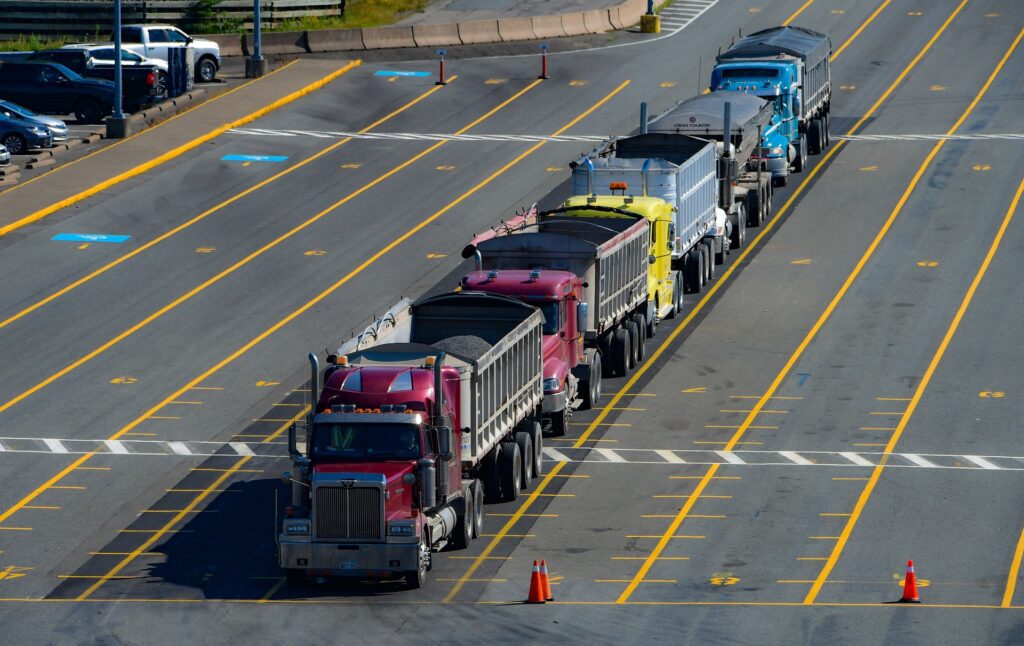
The move to electric trucks for international transport is not just a technological leap – it’s a commitment to a sustainable future. Embracing the numerous benefits of this transition can revolutionize the freight sector, offering a path towards sustainable solutions.
Electric trucks bring environmental benefits with zero tailpipe emissions, promoting cleaner urban air and lower CO2 emissions with renewable energy. Operationally, they offer cost savings through reduced electricity and maintenance expenses.
Moreover, embracing electric trucks enhances a company’s eco-friendly image and reduces noise disturbances at night. Additionally, electric trucks promote energy independence by using locally-sourced electricity, reducing reliance on volatile oil markets.
Challenges of electric freight transport
While the future of electric trucking holds promise, it’s also riddled with challenges that demand attention for a smooth transition. Immediate concerns revolve around the substantial initial investment required, overshadowing operational savings and deterring cost-conscious businesses.
A robust global charging network is essential, insufficient fast-charging hinders operations. Electric truck tech, particularly batteries, grapples with range limitations and cargo-weight trade-offs, impacting operational viability as batteries degrade.
While eco-friendly, battery production and disposal have ecological concerns, from material mining to waste management. Rapid EV tech evolution may make early investments obsolete. Proactively tackling these issues is essential for a smooth shift to electric global freight transport.
Hydrogen fuel cells for freight transport
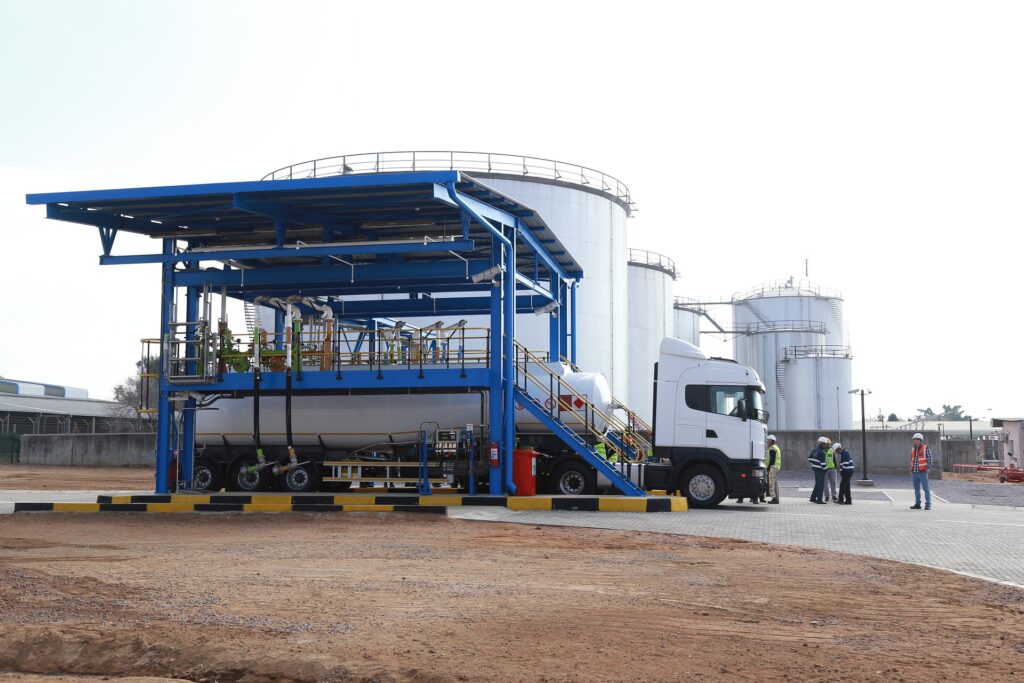
While batteries are making headlines, there’s an undercurrent of excitement about another green technology in the freight sector—hydrogen fuel cells:
- What are they? Hydrogen fuel cells generate electricity by combining hydrogen and oxygen, producing water as a byproduct.
- Advantages: They offer faster refueling times compared to charging batteries and potentially longer ranges, making them an interesting contender for international freight.
- Challenges: Production of hydrogen is energy-intensive, and infrastructure for hydrogen refueling is in its nascent stages.
Charting the electric odyssey with amoplant.lv
Dear amoplant.lv auto and freight enthusiasts, we play a crucial role in the upcoming transport revolution. The path to an electrified global freight system may be challenging, but with innovation and sustainability as our compass, we can navigate this transformation. Stay informed, stay energized, and let’s drive towards a greener future!